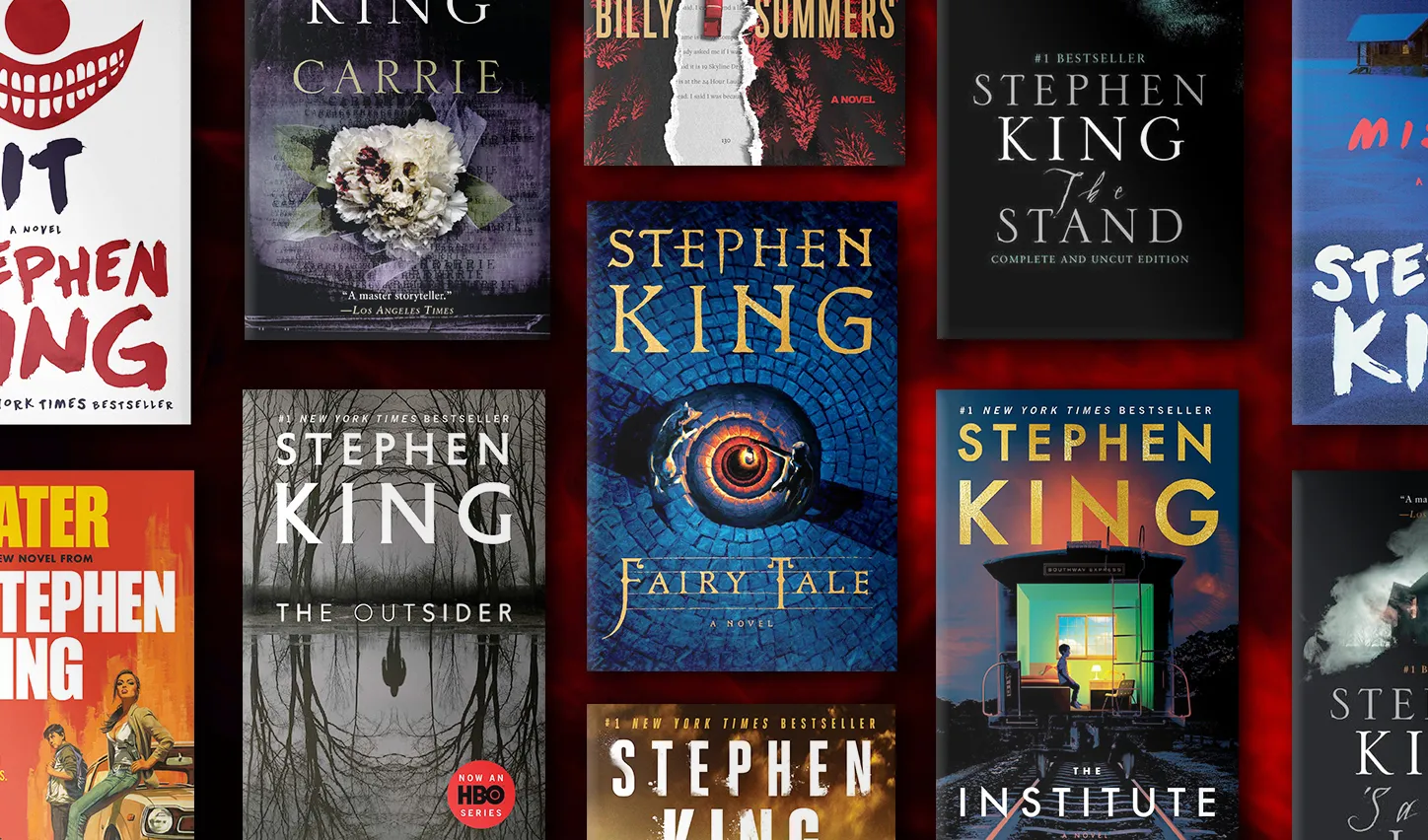
Stephen King has a catalog so large that any “top 10” inevitably invites debate—but some novels consistently rise above the rest for their literary depth, cultural impact, and storytelling power. Below is a ranked, in-depth review of ten of his strongest works, balancing horror, psychological insight, and narrative ambition.
1. The Stand
King’s most ambitious novel is less a horror story than a sprawling moral epic. Set after a man-made plague wipes out most of humanity, the narrative splits into two opposing camps—one led by the benevolent Mother Abagail, the other by the demonic Randall Flagg. What elevates The Stand is its philosophical scope: it asks whether humanity, when stripped to its core, naturally inclines toward good or evil. The sheer number of characters never feels overwhelming because King gives each a distinct voice and arc. The pacing can be uneven, but the payoff—particularly in its symbolic confrontation between light and darkness—is unforgettable.
2. It
Perhaps King’s most emotionally layered novel, It is as much about childhood as it is about horror. The dual timeline structure—following the Losers’ Club as children and later as adults—creates a powerful reflection on memory, trauma, and loss. Pennywise is terrifying, but the deeper horror lies in how fear shapes identity. King’s ability to capture the voice of children is astonishingly authentic, and the bond between the characters gives the novel its heart. Its length and occasional narrative indulgences may challenge some readers, but its emotional depth is unmatched.
3. The Shining
A tightly constructed psychological horror, The Shining thrives on atmosphere and character breakdown. Jack Torrance is one of King’s most tragic figures—a man battling alcoholism and failure, slowly consumed by both supernatural forces and his own inner demons. The Overlook Hotel becomes a character in itself, amplifying isolation and madness. Unlike many horror novels, the fear here is gradual and deeply personal, making it linger long after the final page.
4. 11/22/63
A surprising entry in King’s bibliography, this novel blends time travel with historical fiction. The protagonist, Jake Epping, attempts to prevent the assassination of John F. Kennedy, but discovers that the past resists change. Beyond its intriguing premise, the novel shines through its emotional core—particularly Jake’s relationship with Sadie. King explores themes of destiny, sacrifice, and the unintended consequences of altering history. It’s one of his most mature and reflective works.
5. Pet Sematary
Arguably King’s darkest novel, Pet Sematary confronts grief and the human inability to accept death. The story of Louis Creed and the cursed burial ground goes beyond horror into existential dread. King himself has said this is one of his most disturbing works, and it shows—there’s a relentless sense of inevitability as tragedy unfolds. The novel’s power lies in its emotional realism; the supernatural elements feel secondary to the raw portrayal of loss and denial.
6. Misery
A masterclass in tension, Misery strips away supernatural elements and focuses on human obsession. Annie Wilkes, the “number one fan,” is one of King’s most terrifying creations precisely because she is believable. The confined setting intensifies the psychological battle between Annie and captive writer Paul Sheldon. King also uses the story as a meta-commentary on authorship, creativity, and the pressures of audience expectations.
7. Carrie
King’s debut novel remains one of his most iconic. The story of Carrie White—a bullied girl with telekinetic powers—functions as both horror and social critique. The novel tackles themes of adolescence, repression, and cruelty, particularly within the context of high school dynamics. Its structure, incorporating fictional documents and reports, adds a layer of realism. While simpler than his later works, its raw intensity makes it unforgettable.
8. Salem’s Lot
This novel revitalized the vampire genre by grounding it in small-town America. King builds a slow, creeping dread as the town of Jerusalem’s Lot falls under vampiric influence. What stands out is the sense of community—King takes time to develop multiple characters, making the town’s downfall more impactful. The horror is classic yet effective, blending traditional vampire lore with modern sensibilities.
9. The Green Mile
More drama than horror, The Green Mile explores justice, compassion, and the supernatural within a prison setting. John Coffey, a death row inmate with mysterious powers, becomes the emotional center of the story. King examines moral ambiguity and the flaws of the justice system, creating a narrative that is both heartbreaking and thought-provoking. Its serialized structure gives it a unique rhythm, though it may feel less intense than his darker works.
10. Doctor Sleep
As a sequel to The Shining, this novel follows an adult Danny Torrance grappling with trauma and addiction. While it lacks the raw terror of its predecessor, it succeeds as a story of recovery and redemption. King revisits familiar themes—addiction, psychic power, and inner demons—but with a more hopeful tone. It’s a satisfying continuation that deepens Danny’s character.
Final Evaluation
Ranking Stephen King’s work ultimately depends on what you value: scope, fear factor, or emotional depth. The Stand dominates for its epic scale, It for its emotional resonance, and The Shining for its psychological precision. Meanwhile, novels like Pet Sematary and Misery prove that King’s greatest strength lies not in monsters, but in his understanding of human nature.

 Adam
1 × RM25.00
Adam
1 × RM25.00  Misteri UFO dan Makhluk Asing
1 × RM30.00
Misteri UFO dan Makhluk Asing
1 × RM30.00  Dakota North Investigations - Marvel Comics
1 × RM50.00
Dakota North Investigations - Marvel Comics
1 × RM50.00  New World Order Konspirasi Dunia Gelap
1 × RM30.00
New World Order Konspirasi Dunia Gelap
1 × RM30.00