
Horror Fiction in Malaysia and Southeast Asia
Introduction: Horror Rooted in Culture and Belief
Horror fiction in Malaysia and Southeast Asia is deeply different from Western horror traditions because it is closely tied to local beliefs, oral folklore, religious influences, and rural cultural life. Instead of only fictional monsters, horror in this region often draws from what people already believe or fear in everyday life.
In countries such as Malaysia, Indonesia, Thailand, the Philippines, and Singapore, horror stories are not just entertainment—they are extensions of cultural memory. Spirits, supernatural beings, and curses are often part of traditional storytelling passed down through generations.
This article explores the development of horror fiction in Southeast Asia, key themes, cultural influences, and important writers and works that shaped the genre.
1. Foundations of Southeast Asian Horror: Folklore and Oral Tradition
Before modern literature existed, horror in Southeast Asia was transmitted through oral storytelling, village myths, and ritual beliefs.
Common Traditional Beliefs Across the Region
Many cultures in the region share similar supernatural entities:
Hantu / spirits (Malaysia & Indonesia)
Pontianak / Kuntilanak (female vampire spirits)
Toyol (child spirit used for theft in Malay folklore)
Phi (ghosts in Thai belief systems)
Aswang (shape-shifting creature in Filipino folklore)
These entities are not fictional inventions—they are rooted in cultural explanations of fear, death, and the unknown.
In rural communities, such stories often served as:
Moral warnings
Explanations for unexplained events
Social control mechanisms (e.g., warning children not to go out at night)
This strong cultural foundation makes Southeast Asian horror fiction unique compared to Western genres.
2. Early Modern Horror Fiction in Southeast Asia
As printing and publishing developed in the 20th century, oral horror traditions began to enter written literature.
Malaysia: Transition into Written Horror
In Malaysia, early horror fiction often appeared in:
Magazines
Short story collections
Radio dramas
Television adaptations
These stories often retained traditional folklore elements but were adapted into modern settings such as cities, schools, and hospitals.
3. Malaysian Horror Fiction: Identity and Fear
Horror fiction in Malaysia is shaped by a combination of:
Malay folklore
Islamic cultural influences
Urban modernization
Rural-urban migration
This creates a unique tension between tradition and modern life.
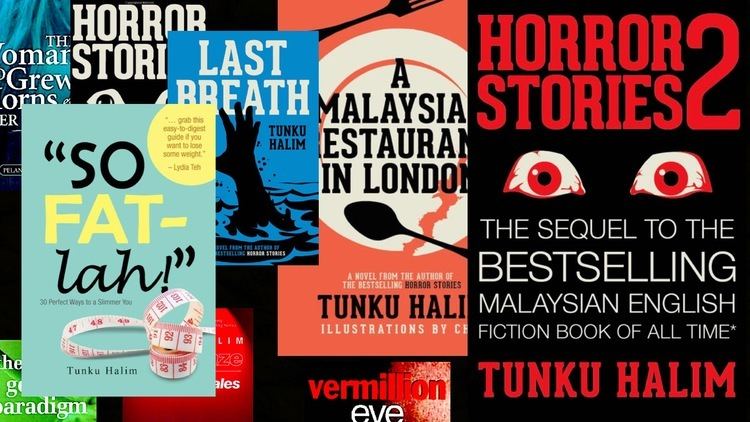
3.1 Tunku Halim: The Pioneer of Modern Malaysian Horror
One of the most important figures in Malaysian horror literature is Tunku Halim, often referred to as the “Master of Malaysian Horror.”
Contribution
One of the first Malaysian authors to write horror novels in English and Malay-inspired themes
Blended Western horror structure with Southeast Asian folklore
Helped bring Malaysian horror to international audiences
Themes in His Work
Supernatural folklore creatures
Moral punishment and karma
Psychological fear
Rural isolation and mysticism
His stories often reflect the idea that supernatural forces coexist with everyday life.
3.2 Popular Malay Horror Fiction Tradition
Apart from literary authors, Malaysia also has a strong tradition of popular horror fiction in Bahasa Melayu.
Many horror novels and short stories are published in:
Newspapers
Entertainment magazines
Online platforms
Common themes include:
Haunted houses
Possession stories
Urban legends (contoh: “kereta berhantu”, “lif misteri”)
Religious and spiritual conflict
4. Indonesia: The Giant of Southeast Asian Horror Literature
Indonesia has one of the richest horror fiction traditions in Southeast Asia, both in literature and film.
Cultural Background
Indonesian horror is heavily influenced by:
Javanese mysticism
Islamic spiritual beliefs
Animism and ancient rituals
4.1 Seno Gumira Ajidarma
Seno Gumira Ajidarma is known for blending surrealism, political commentary, and horror-like atmosphere in his works.
Features of his writing
Psychological tension
Social and political critique
Surreal horror elements
His stories often use horror not just to scare, but to comment on injustice and society.
4.2 Popular Indonesian Horror Fiction Themes
Indonesia is also famous for:
Kuntilanak and pocong stories
Haunted villages (desa angker)
Witchcraft and black magic (santet)
Forest spirits and ancient curses
These elements are widely adapted into novels, comics, and films.
5. Thailand: Horror, Karma, and Buddhist Influence
Thai horror fiction is deeply influenced by Buddhist concepts of karma, rebirth, and spiritual consequence.
Common Themes
Revenge from past lives
Ghosts seeking justice
Moral consequences of wrongdoing
Thai Horror Culture in Fiction
Thai horror stories often emphasize:
Emotional guilt
Spiritual punishment
Unresolved sins
This makes Thai horror more moralistic compared to other regions.
6. Philippines: Urban Legends and Social Horror
In the Philippines, horror fiction often blends folklore with modern urban anxieties.
Common Entities
Aswang (shape-shifting monster)
Manananggal (severed flying vampire)
White Lady ghosts
Themes in Filipino Horror Fiction
Family curses
Colonial trauma
Poverty and survival
Urban fear and superstition
Filipino horror often reflects social realities alongside supernatural fear.
7. Singapore: Modern Psychological Horror
Singaporean horror fiction is more urban and psychological due to its highly developed city environment.
Themes
Urban isolation
Technological anxiety
Psychological breakdown
Ghosts in modern architecture
Singapore horror often explores fear in clean, controlled environments such as apartments, offices, and public transport systems.
8. Key Themes Across Southeast Asian Horror Fiction
Despite cultural differences, several common themes appear across the region.
8.1 Coexistence of Spirits and Humans
In Southeast Asian horror, the supernatural world is not separate—it exists alongside everyday life.
8.2 Moral Consequences
Many stories emphasize karma, sin, and moral punishment.
8.3 Rural vs Urban Fear
Rural horror: spirits, forests, ancient curses
Urban horror: isolation, psychological fear, modern ghosts
8.4 Religion and Spirituality
Islam, Buddhism, and Christianity all influence how horror is interpreted.
9. Horror Fiction in Modern Media
Today, horror fiction in Southeast Asia exists across multiple platforms:
Novels and short stories
Web fiction and online platforms
Films and television dramas
Comics and graphic novels
The rise of digital media has made horror stories more accessible and popular among younger audiences.
10. Why Southeast Asian Horror Is Unique
Southeast Asian horror stands out because:
1. It is culturally believable
Many readers grow up hearing similar ghost stories in real life.
2. It blends religion and folklore
Spiritual beliefs are deeply embedded in storytelling.
3. It reflects real social fears
Such as poverty, modernization, and moral conflict.
4. It is emotionally intense
Fear is often combined with guilt, shame, or moral reflection.
Conclusion: Horror as Cultural Memory in Southeast Asia
Horror fiction in Malaysia and Southeast Asia is not just about entertainment—it is a reflection of cultural identity, belief systems, and collective fear.
From traditional folklore like pontianak and kuntilanak, to modern psychological horror in urban cities, the genre continues to evolve while staying deeply rooted in local culture.
Writers like Tunku Halim and others across the region have helped transform oral traditions into modern literary forms, ensuring that these stories remain alive in contemporary society.
Ultimately, Southeast Asian horror fiction endures because it speaks to something universal yet deeply local: the fear of the unseen, the unknown, and the consequences of human actions in a world where the supernatural is never far away.